

Free Shipping
40 €
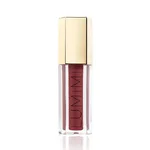
Lip gloss
60 €
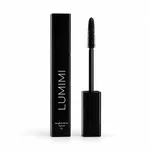
Mascara
75 €
People usually start looking for a hydrating foundation when their makeup looks lovely in the morning but, a few hours later, clings to dry patches or settles into fine lines. That isn’t only down to a “bad” foundation – skin prep and the amount you use matter too. Here you will find how to recognise a foundation that suits dry skin, read its ingredient list, apply it in thin layers and compare two foundations at home.
Usually it is a combination of reasons: too thick a layer, unprepped skin, a quick-setting texture or powder. The foundation itself is only one of them, so check the others before you switch products.
Skin can get drier with central heating, wind or cold, and its needs also change over the years. But age alone doesn’t tell you which foundation you need.
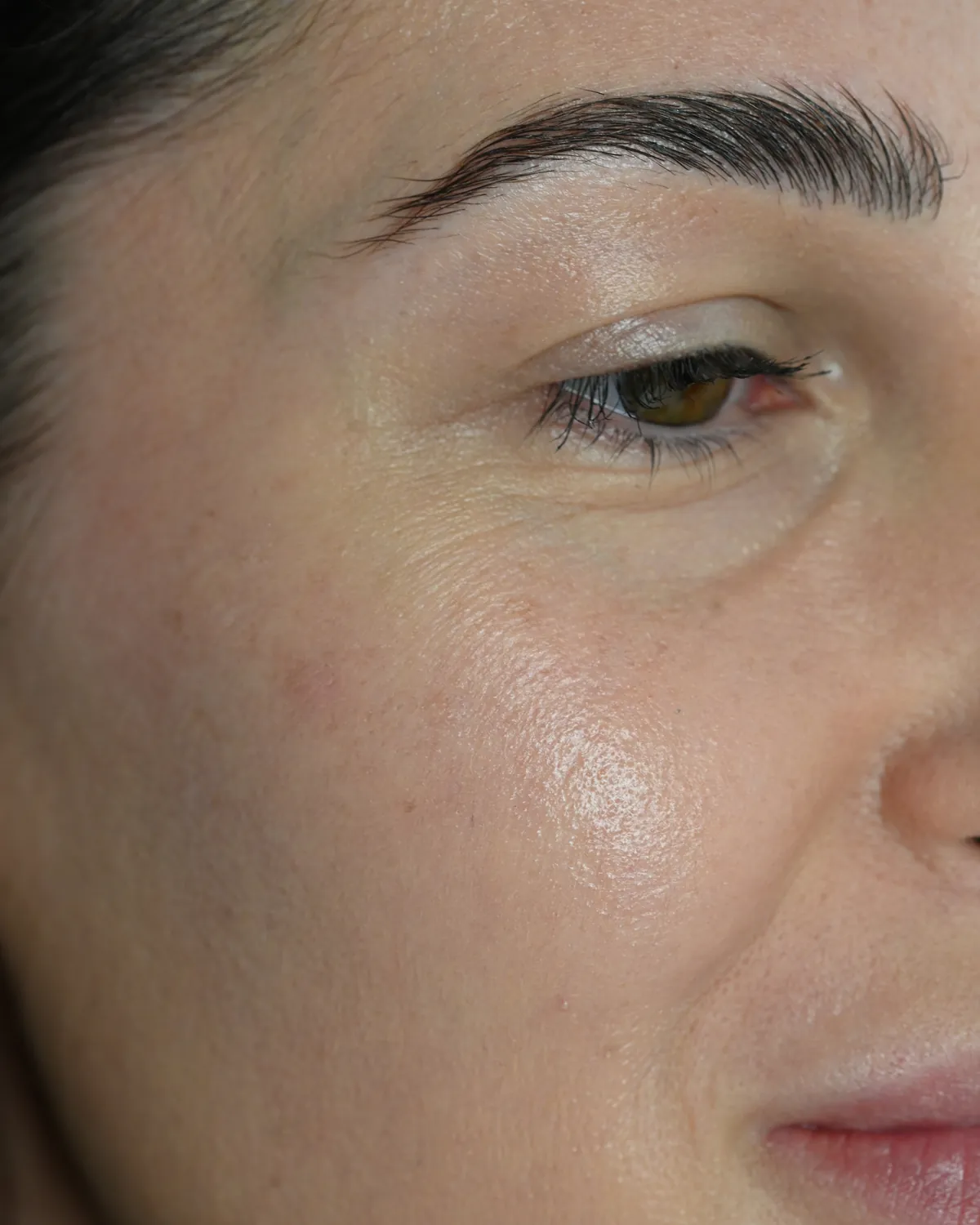
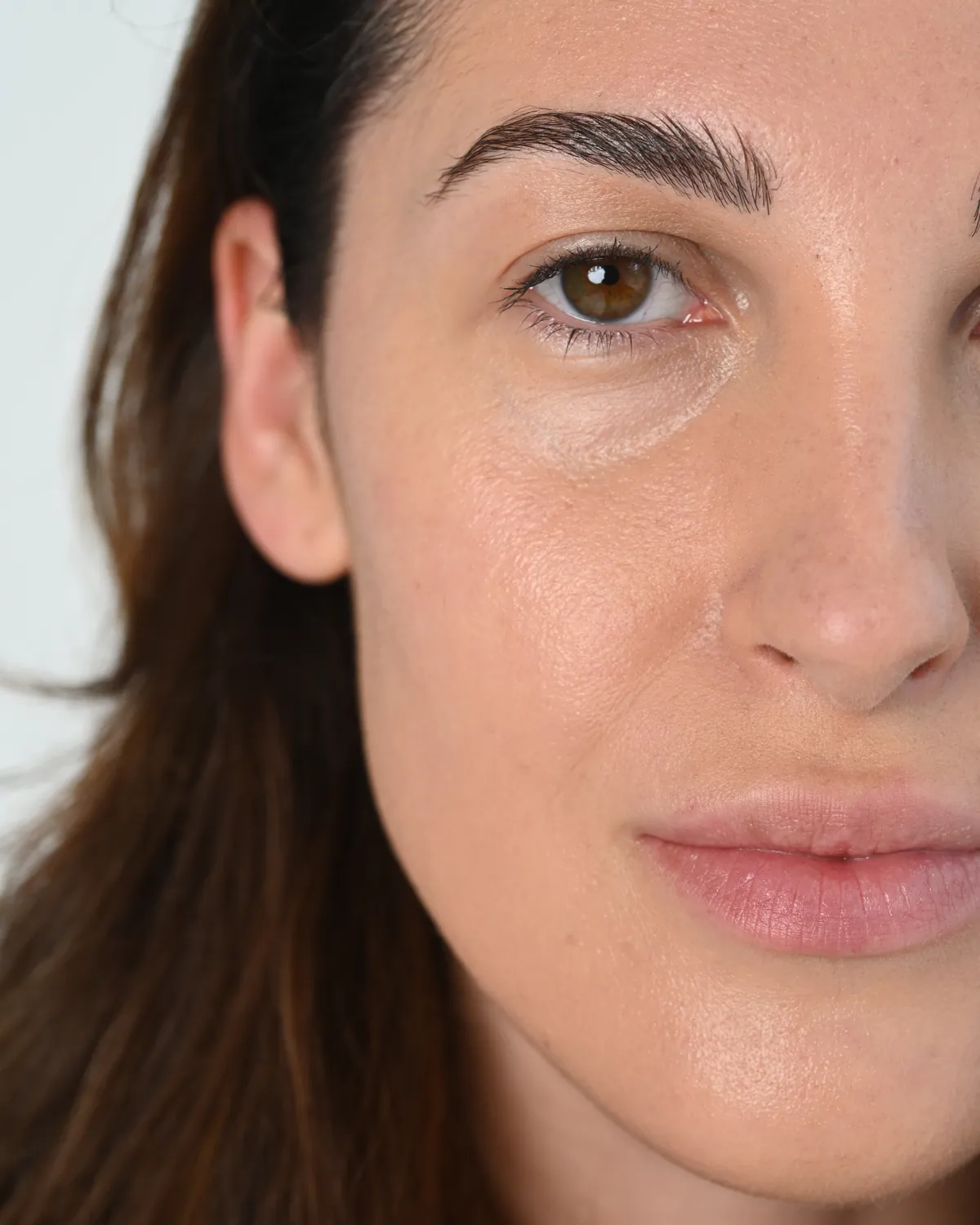
A hydrating foundation is usually one that combines humectants (moisture-attracting ingredients) or emollients with a flexible texture designed to feel comfortable on dry skin, rather than setting into a stiff film.
It is still a makeup product, though, not a substitute for moisturiser. When a foundation is labelled “hydrating”, treat it as a claim about the product rather than a guarantee: look at the ingredient list and at how it feels on your skin. How long a particular product actually keeps skin hydrated can only be shown by specific tests.
Choose the shade and undertone as you would for any foundation – it is explained step by step in our guide on how to choose foundation for your skin type and shade.
The finish describes how much light foundation reflects on the skin, while “hydrating” describes the ingredients. So a matte foundation can contain hydrating ingredients, and a radiant one doesn’t automatically contain many.
| Finish | How it looks on skin | Who may find it comfortable | What to try on dry skin |
|---|---|---|---|
| Matte | No shine, a smooth surface | An oily T-zone, hot days | Very thinly on well-moisturised skin, or on the T-zone only |
| Satin | Like healthy skin: reflects a little light but doesn’t shine | Most skin types, including dry and drier-with-age skin | A thin layer, powder on the T-zone only |
| Radiant | Reflects more light, skin looks fresher | Dry, dull-looking skin | Less product on an oilier T-zone so it doesn’t look too shiny |
For dry skin, a satin finish foundation is often a comfortable middle ground: it emphasises dry patches less than a very matte one and shines less than a radiant one. This is a guideline, not a rule.
In the ingredient list (INCI), look for moisture-attracting ingredients such as glycerin or hyaluronic acid and emollients such as squalane – but remember that an ingredient being there doesn’t tell you how the whole product will perform.
The INCI list starts with the ingredients present in the largest amounts, while those under 1% can be listed in any order. There are no percentages, so the list shows what is in the product, but not how much.
| Ingredient (INCI) | What it is used for in cosmetics | Worth knowing |
|---|---|---|
| Glycerin | A moisture-attracting ingredient, one of the most common in cosmetics | Ingredients are generally listed by weight, but the INCI list cannot tell you the exact concentration or how the product performs |
| Hyaluronic Acid, Sodium Hyaluronate | Ingredients that bind moisture | Usually added in small amounts, so a place near the end of the list is normal |
| Squalane | An emollient: skin feels softer and the texture glides | Common in both skincare and makeup |
| Niacinamide | A form of vitamin B3, widely used in skincare and makeup | The INCI list won’t tell you how much is in there, so don’t judge a product on this ingredient alone |
You will often also see sorbitol, trehalose or panthenol (provitamin B5). Silicones such as dimethicone give foundation slip, but they alone won’t tell you whether a foundation suits dry skin.
The result comes from the whole formula, not a single ingredient: the amounts, the combinations, the texture and how you apply it. The ingredient list helps you decide what to try, but it is only part of the picture: pay attention to comfort, finish and wear over several hours.
If your skin is sensitive to fragrance, look for “parfum”, “fragrance” or “aroma” in the ingredient list. Try any new foundation on a small area first, for example on your jawline.
Prepping your skin before makeup takes 5 minutes: cleanse gently, apply moisturiser, wait for it to absorb and only then reach for foundation.
Don’t exfoliate flaky skin right before makeup – freshly exfoliated skin can turn red. Save gentle exfoliation for the evening, and not every day.
If your skin stays flaky, itchy or red for a long time and it doesn’t go away, talk to your doctor – makeup won’t solve it.
On dry skin, apply foundation thinly: a little product, from the centre of the face outwards, and a second layer only where needed.
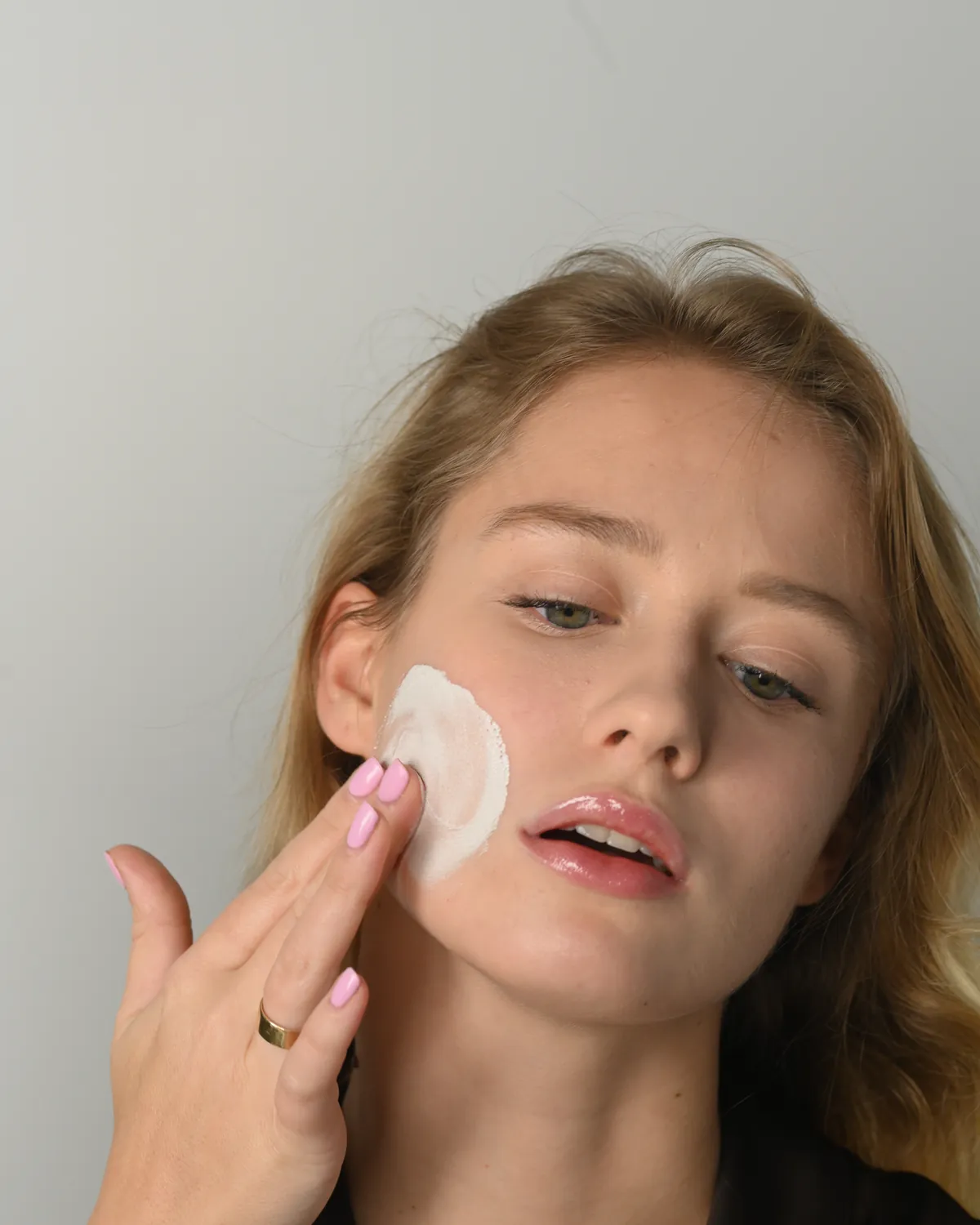
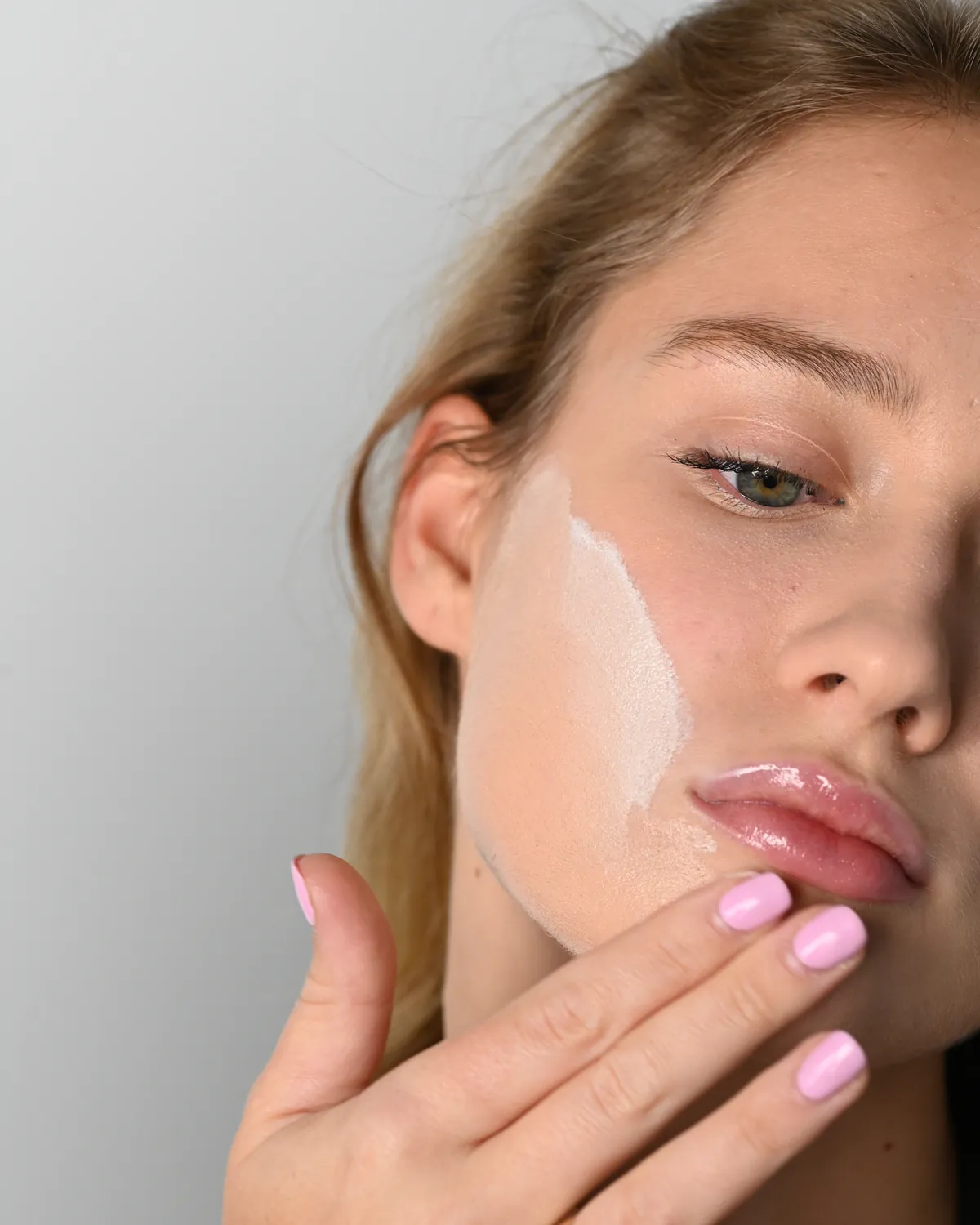
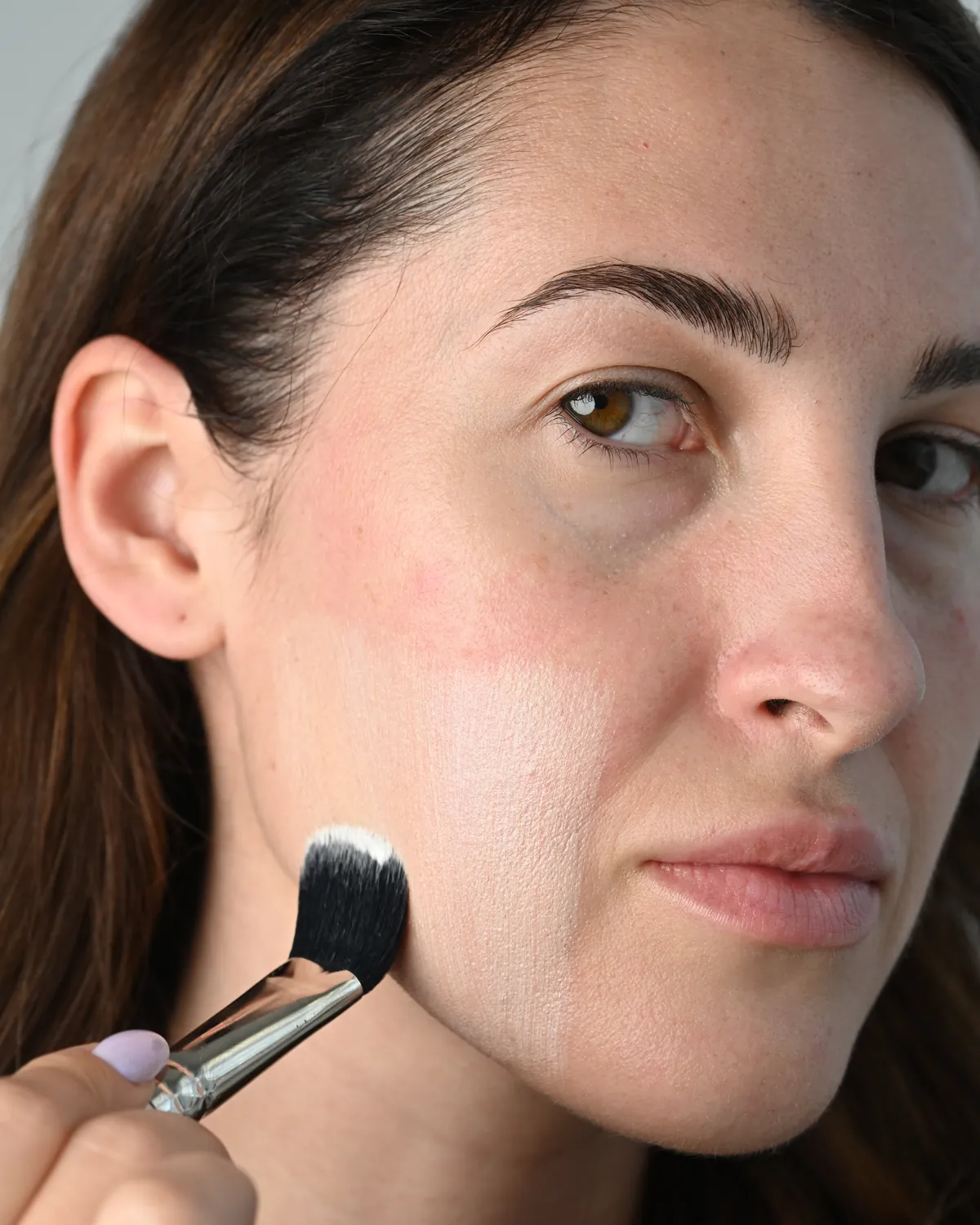
If foundation has settled into lines during the day, don’t put powder on top. Gently pat the line with a finger or a clean sponge – the layer will smooth out again.
The easiest way to compare two foundations is to try one on each side of your face, using the same skin prep and amount, then check the finish after a few hours – that shows you which one works better for you as makeup.
This compares how well each works as makeup, not how hydrating it is. If both foundations settle into lines, first use less and change your skin prep – only then decide that the product itself isn’t right.
Foundation usually settles into lines because of the amount, skin prep and powder, not just because of the product you chose.
LUMIMI has two foundations that contain hydrating ingredients: the colour-changing foundation and the cushion foundation. When choosing a LUMIMI foundation, what matters most is your skin tone and how you prefer to apply it.
The LUMIMI colour-changing foundation is white in the bottle: its pigments are enclosed in microcapsules that open as you blend, so the colour only appears on your skin. It is made for fair and medium skin tones; deeper skin tones need a foundation from a different shade range.
It contains glycerin, sorbitol, squalane, niacinamide, the peptide Palmitoyl Tripeptide-5, vitamin E, bisabolol, trehalose and plant extracts, as well as silicones and fragrance. Apply a few drops over moisturiser that has absorbed, and for more coverage add a second thin layer.
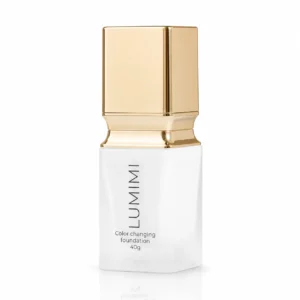
LUMIMI
LUMIMI colour-changing foundation NEW EDITION
White in the bottle, it takes on colour as you blend – made for fair and medium skin tones. Contains glycerin, sorbitol, niacinamide and squalane.
Discover the colour-changing foundationThe LUMIMI cushion is a liquid foundation in a compact with a mirror and a puff. It contains glycerin, hyaluronic acid and sodium hyaluronate, panthenol (provitamin B5), vitamin E and plant extracts, as well as fragrance. It comes in two shades – Bare Natural and Soft Bronze; the colour doesn’t adapt to your skin, so you need to choose yours. More in our article what a cushion foundation is and how to use it.
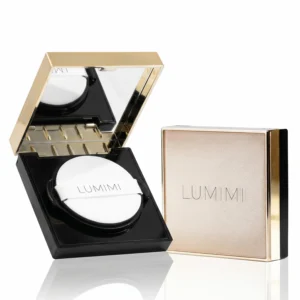
LUMIMI
LUMIMI cushion foundation
A compact with a mirror, puff and extra refill. Contains glycerin, hyaluronic acid and panthenol; shades Bare Natural and Soft Bronze.
See the cushion shades and refillBoth foundations are makeup products and don’t replace your moisturiser. Neither is intended to replace a dedicated sunscreen, so apply your SPF product separately. If your skin is sensitive, try them on a small area first.
No. It is a makeup product, even if it contains hydrating ingredients. For dry skin, apply your usual moisturiser first, wait 3–5 minutes for it to absorb, and only then apply foundation.
The most common reasons are too thick a layer, unprepped skin and powder on dry areas. Try using less, applying only the leftovers around the eyes and not powdering your cheeks. If it has already settled, pat the line with a finger rather than adding powder.
It can be, if you apply it very thinly on well-prepped skin – a matte foundation can contain hydrating ingredients too. If it still emphasises dry patches, try a satin finish or use the matte one on the T-zone only.
Yes. Apply a thin layer and, if your T-zone shines, lightly set it with powder. The cheeks often don’t need powder.
You can’t tell exactly, because the INCI list has no percentages. Ingredients are generally listed from the largest amount down, but the list cannot tell you the exact concentration or how the product will perform. Hyaluronic acid is usually added in small amounts, so a place near the end of the list is normal.
Yes, if you want a lighter, sheerer layer: mix a drop of foundation with a little cream on a palette or the back of your hand. Coverage will be lighter and the texture more slippery. If you need more coverage, apply the cream separately and wait for it to absorb.