

Free Shipping
40 €
Lip gloss
60 €
Mascara
75 €
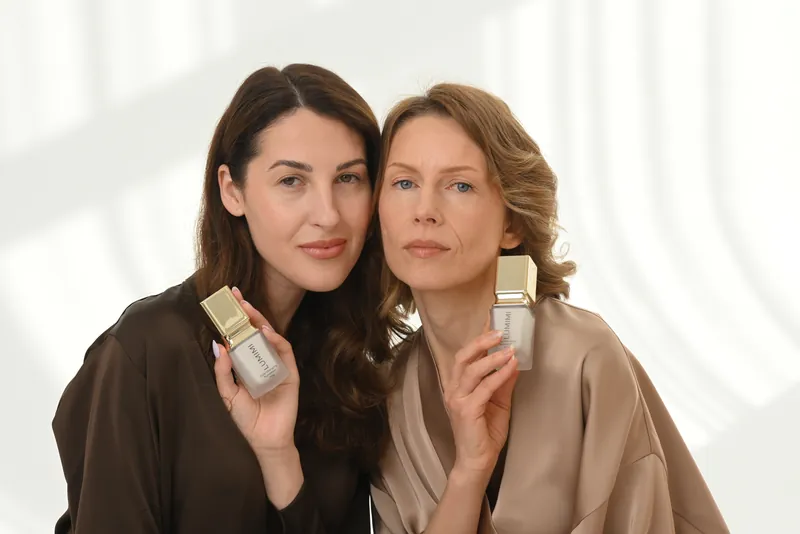
How do you choose foundation that looks like your skin, only smoother? Three things matter most: your skin type, the coverage and the shade together with its undertone. In this guide you will find a skin type table, a step-by-step shade test, application methods with photos and the mistakes that make even a good foundation look like a mask.
Choose foundation by how your skin behaves throughout the day, the finish you prefer and how much coverage you need. Dry skin often feels more comfortable with flexible formulas containing hydrating ingredients, oily skin with a lighter texture that keeps shine in check, and sensitive skin with a formula free from whatever it reacts to. So the first step isn’t the shop – it’s the mirror.
After a gentle cleanse, wait until your skin feels normal again, then check in daylight whether it feels tight and where it shines. Which sounds most like you?

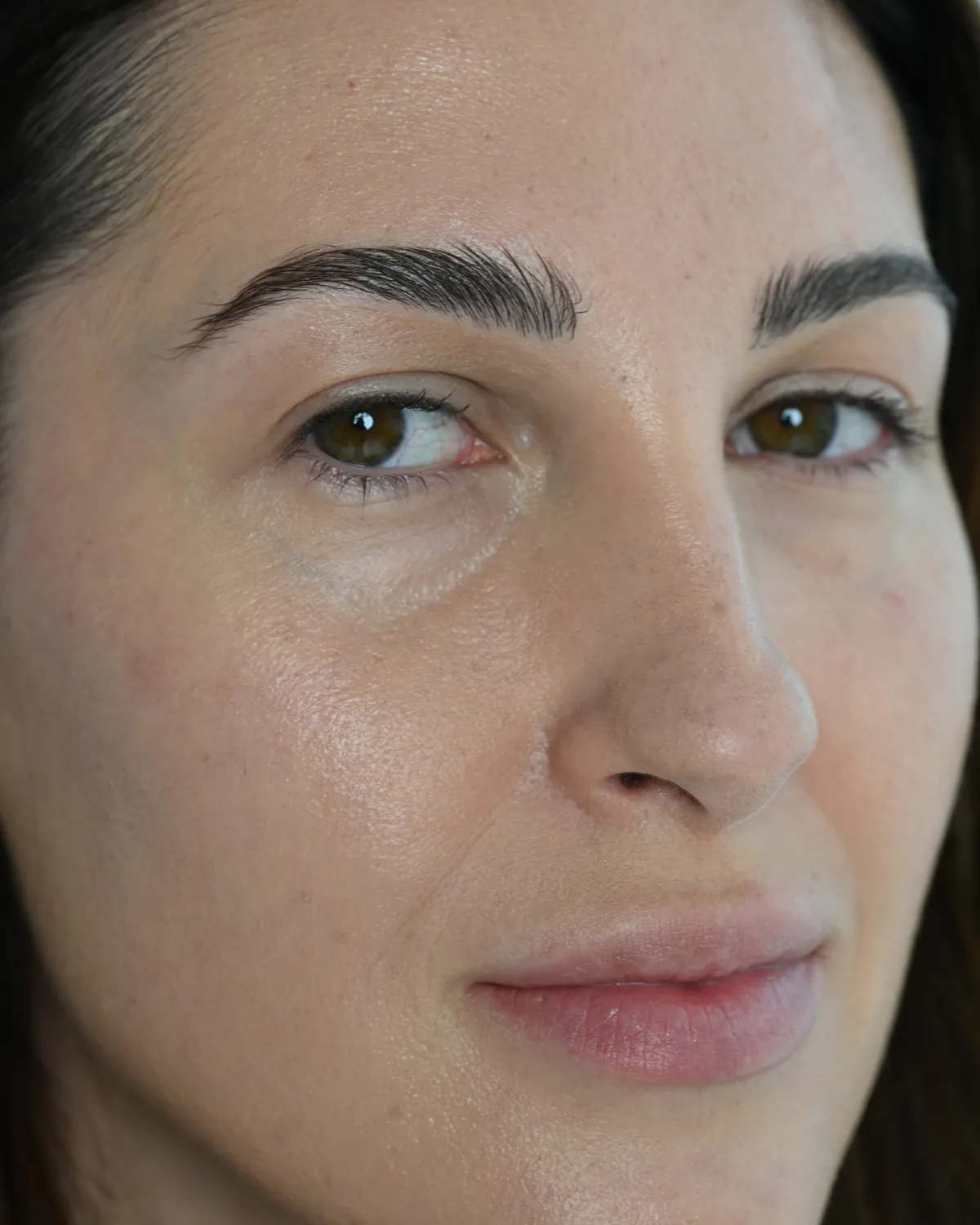
This is a guide, not a diagnosis. Skin also changes with the seasons: in winter even oily skin can become drier, so in the colder months you may need a different foundation than in summer.
For dry skin, choose a foundation with a satin or radiant finish. Look for hydrating and softening ingredients on the label – glycerin, hyaluronic acid, squalane. On dry skin, a liquid or cream foundation with hydrating ingredients often looks more even than a very matte one: matte and powder formulas emphasise dry patches. To learn how to read the ingredient list and apply foundation to dry skin, see our article on hydrating foundation.
For oily skin, choose a lightweight, matte or semi-matte foundation and apply a thin layer – the thicker the layer, the sooner it starts to shine and slide. Don’t skip moisturiser; just pick a light one that absorbs quickly. Set your T-zone with a thin layer of powder after foundation, and during the day blot shine with a tissue first, then powder only if needed.
Combination skin usually suits a satin finish: it looks natural on both the T-zone and the cheeks. If the difference between zones is big, powder only your forehead, nose and chin. Normal skin works with almost any texture, so choose by the coverage and finish you want.
If your skin is sensitive, the most important thing is knowing what it reacts to. If it is fragrance, look for “parfum”, “fragrance” or “aroma” in the ingredient list (INCI). Try any new foundation on a small area first, for example on your jawline, and wait 24 hours. If you have breakouts, inflammation or a skin condition, talk to your doctor before choosing makeup.
| Skin type | What to look for | What to avoid | Application tip |
|---|---|---|---|
| Dry | Cream or liquid texture, satin or radiant finish, glycerin, hyaluronic acid | Very matte or powder formulas, lots of powder | Apply to well-moisturised skin, blend with a damp sponge |
| Oily | Lightweight texture, matte or semi-matte finish | Thick layers, rich creams under foundation | Thin layer, set the T-zone with powder |
| Combination | Satin finish, buildable coverage | One heavy product all over the face | Powder only the T-zone, leave the cheeks natural |
| Normal | Texture and coverage to suit the look you want | A shade that is too light or too dark | Fingers, brush or sponge – whatever you prefer |
| Sensitive | A formula free from what you react to (e.g. fragrance) | Several new products at once | Patch test first, apply with a clean tool |
| Mature | Mature skin isn’t a separate skin type: choose by dryness, texture and the finish you want. A light, flexible texture and satin finish often work well | Heavy matte layers, lots of powder under the eyes | Apply thinly, just pat under the eyes with a finger |
Coverage tells you how much a foundation hides, the finish – how your skin looks underneath it, and the format – how easy it is to apply. All three need to fit your skin type and how much time you spend on makeup.
It is often smarter to choose a light or medium buildable foundation and cover redness around the nose and dark circles with concealer only where you need it. That way your face looks alive rather than painted. Find out how in our guide on how to use concealer on the face and under the eyes.
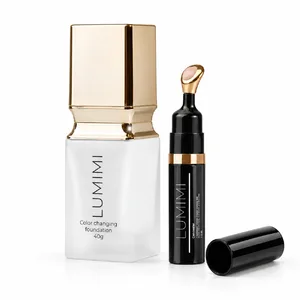
LUMIMI
Colour-changing foundation + Universal concealer
A foundation for an even tone and a highly pigmented concealer for redness and under-eyes – a tiny amount goes a long way. The concealer is fragrance-free and alcohol-free.
See the foundation and concealer setA good shade match blends into your jawline in daylight without a visible line against your neck. For that, two things need to match – depth (how light or dark your skin is) and undertone (the colour you see “under” the skin).
Vein colour on your wrist and jewellery (gold or silver) are only extra clues, especially if your undertone is mixed or olive. The most reliable way is to compare a few close shades on your jawline in daylight, as described below.
If a foundation looks grey on your face, it is probably too cool or too light. If it looks orange or “tanned”, it is too warm or too dark.
Don’t test the shade on your wrist or the back of your hand – the skin there is a different colour from your face. When buying online, compare the shade descriptions and photos with a foundation you use now and that suits you.
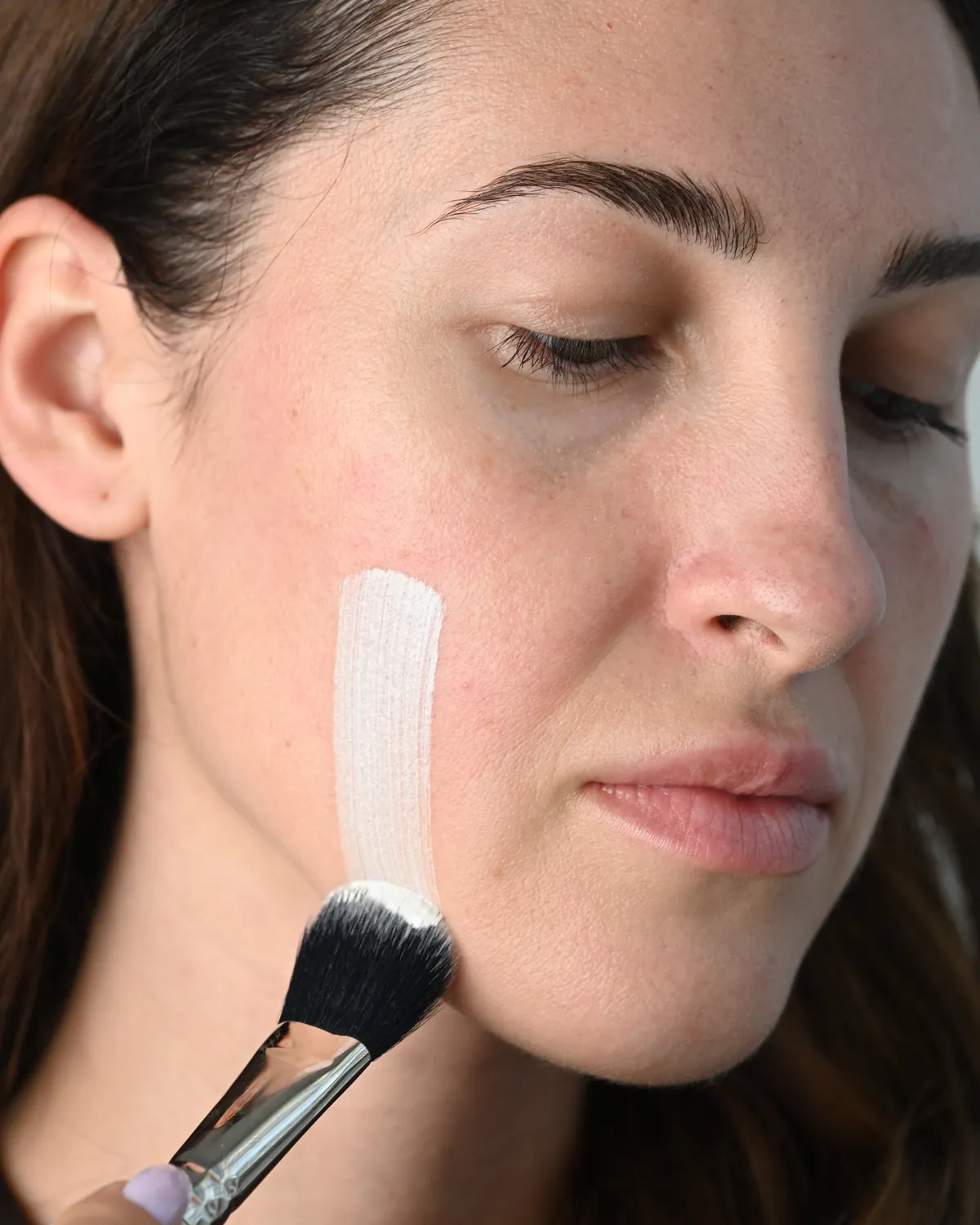
A colour-changing foundation looks white in the bottle and takes on colour as you apply it. Its pigments are enclosed in tiny microcapsules that release the colour as you blend, revealing a beige tone designed to work with a range of fair-to-medium complexions. That’s why it is often simply called white foundation – you can see how it looks in the application photos below.
Who it suits: it is designed for fair-to-medium skin tones; for deeper skin tones, a foundation from a shade range made for deeper skin is a better choice. It is a handy option if you struggle to find your shade or keep hesitating between two, but test it on your jawline first too.
What’s in the LUMIMI foundation: the hydrating ingredients glycerin and sorbitol, squalane, niacinamide, the peptide Palmitoyl Tripeptide-5, trehalose, vitamin E, bisabolol and plant extracts.
What you should honestly know:
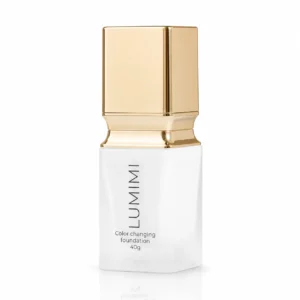
LUMIMI
LUMIMI colour-changing foundation NEW EDITION
White in the bottle, it releases its pigment as you blend and is made for fair and medium skin tones. Contains glycerin, niacinamide, squalane and a peptide.
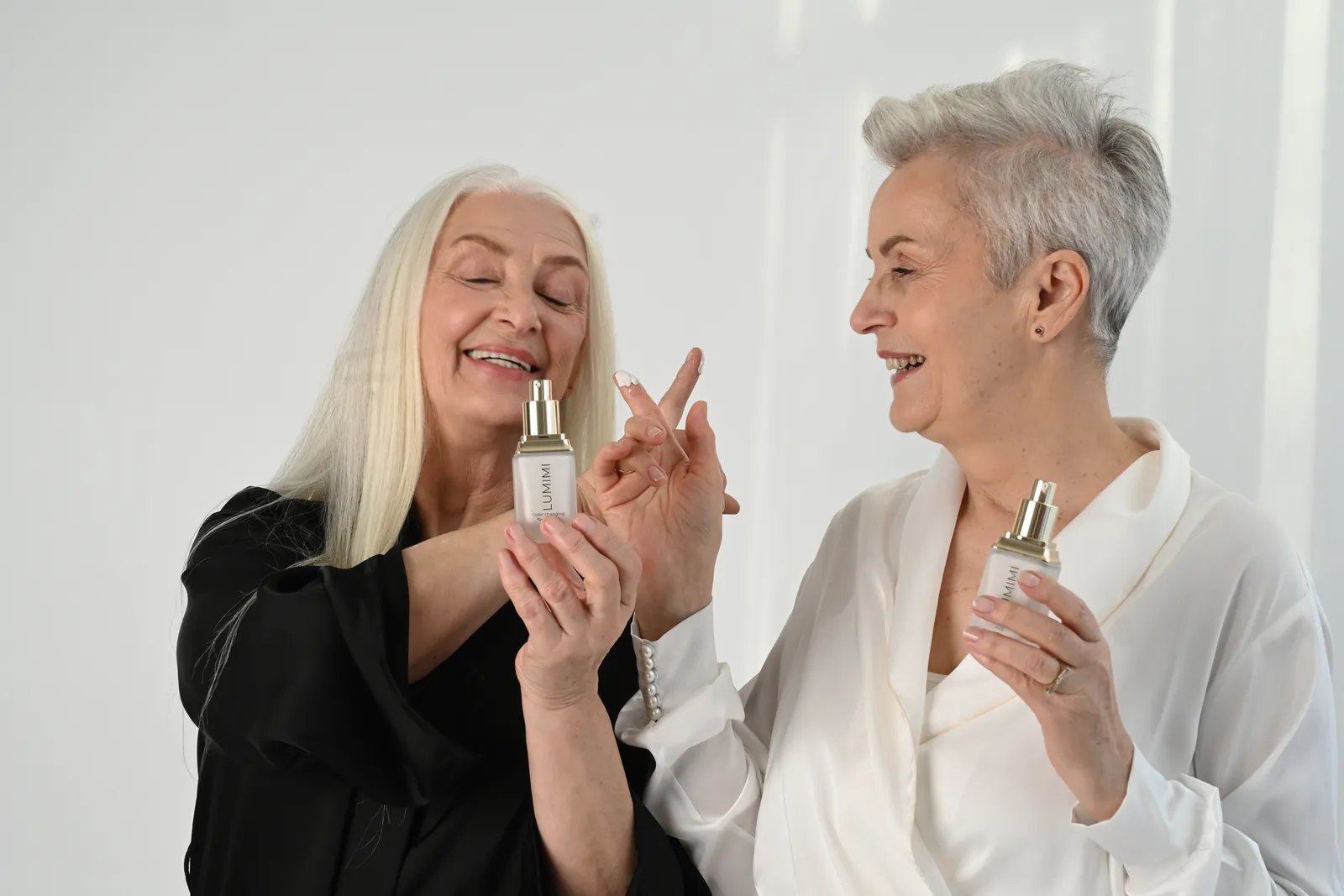
Discover the colour-changing foundationMature skin is best suited to a light, flexible foundation with a satin finish, applied thinly to well-moisturised skin. Skin often gets drier with age, and thick layers settle into fine lines and emphasise them instead of hiding them.
Whichever tool you choose, the principle is the same: a little product, from the centre of the face outwards, in thin layers.
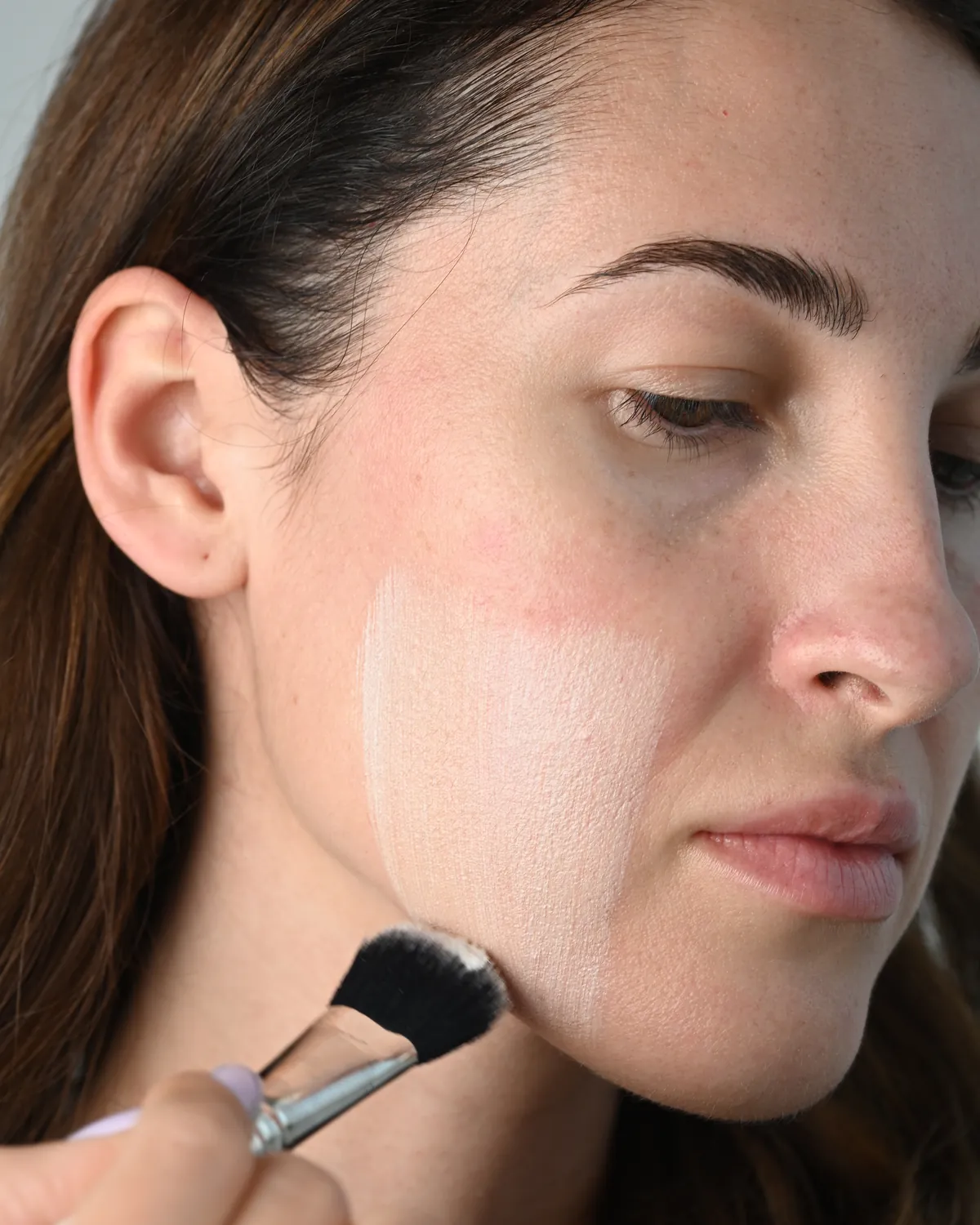
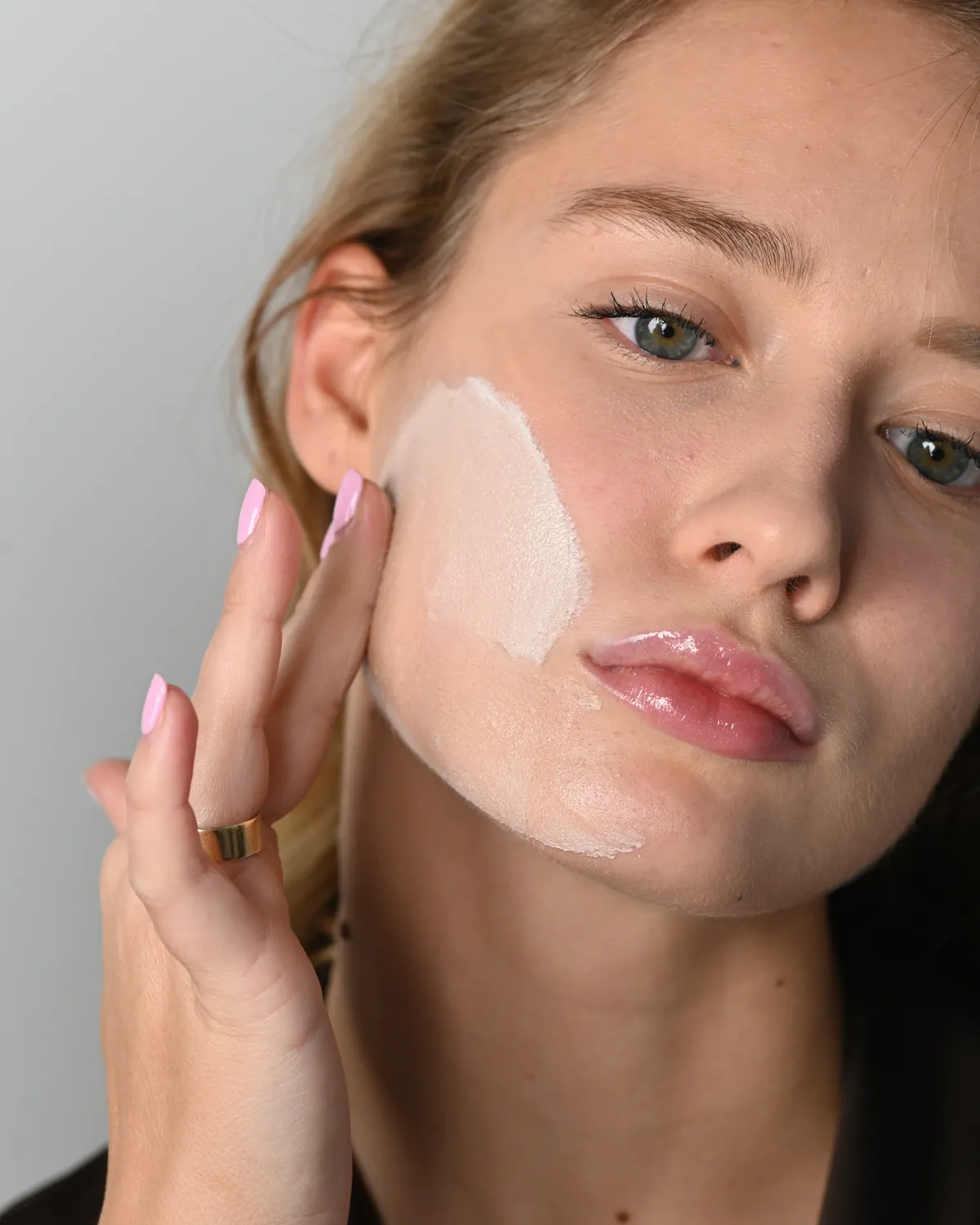
Wash your brush and sponge regularly with mild soap in lukewarm water, and dry the brush lying flat. With a dirty tool, foundation goes on patchy, however good it is.
The best foundation will be different for everyone, so instead of following other people’s “best of” lists, check it against these criteria:
If a foundation ticks these boxes, it suits you, however much or little people talk about it.
Start with a light or medium coverage liquid foundation or a cushion with a satin finish – they are forgiving. Test the shade on your jawline in daylight and apply thinly with fingers or a sponge. After a few weeks you’ll know what’s missing and can choose more precisely.
It is designed for fair-to-medium skin tones, so deeper skin tones are better served by a foundation from a shade range made for deeper skin. If your skin is sensitive to fragrance, note that the formula contains it, and try it on a small area first.
Translucent setting powder is sometimes described that way, but it is meant to reduce shine and set makeup, not to even out skin tone. On deeper skin, some translucent powders can leave a whitish cast. If you want the colour to adapt to your skin, choose a colour-changing foundation and check which skin tones it is made for.
As it dries or mixes with your skin’s oils, foundation sometimes changes shade, especially on oily skin. It isn’t always just oxidation: the product, your skin prep and even the lighting play a part. That’s why you should judge the shade after 10–15 minutes rather than straight away. A thin layer and powder on the T-zone help too.
A few drops are usually enough. It is better to start with less and add where needed than to remove the excess later. With a cushion, one or two light presses of the puff are enough.
A cushion is liquid foundation in a compact with a mirror and a puff: easy to carry and handy for touch-ups during the day. Liquid foundation from a bottle is easier to apply with a brush and to adjust the coverage. LUMIMI cushion foundation comes in two shades – Bare Natural and Soft Bronze – so you need to choose yours, whereas the colour-changing foundation releases its pigment as you blend and is made for fair and medium skin tones.
Choose a shop where you can read the full ingredient list, shade descriptions and instructions for use – and if you buy in person, test the shade in daylight. LUMIMI is a Lithuanian brand: you will find our foundations and sets in the LUMIMI online shop.