

Free Shipping
40 €
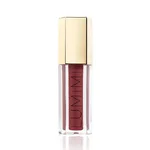
Lip gloss
60 €
Mascara
75 €
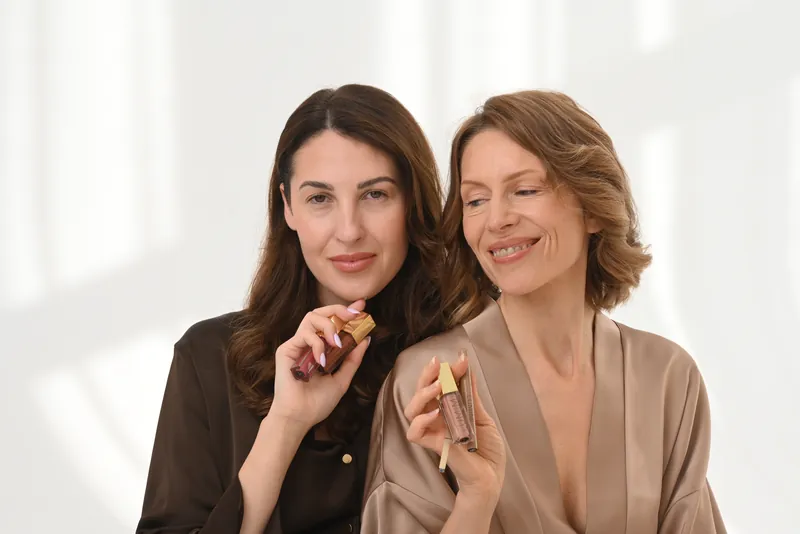
Lip gloss vs lipstick – when choosing between them, the key question is what you want today: more shine and a hint of colour, or richer, more defined colour. Both can look natural or bold – a lot depends on the shade and how much you apply. Here you will learn the difference between lip gloss and lipstick, when to choose which, how to pair them with lip liner and how to pick the right shade.
The main difference between lip gloss and lipstick lies in coverage, feel and staying power: gloss is all about lightness and shine, lipstick about richer colour. Lip liner helps with definition and wear, while balm is for care. You can combine them, but often one is enough.
| Product | Coverage | Staying power | Feel | Best for | When to reapply |
|---|---|---|---|---|---|
| Lip gloss | Clear or sheer colour, shine | Shortest – wears off when eating and drinking | Soft, slick; smooth or slightly tacky, depending on the formula | A light glow and colour, fuller-looking lips | After coffee or meals, every few hours |
| Lipstick (creamy) | Medium to almost full, rich colour | Longer than gloss, especially over liner | Creamy, comfortable, less slippery | Richer colour and a more defined outline | After meals – a thin layer in the centre |
| Lip liner | Dense, more matte colour | Lasts best as a base under lipstick | Drier than lipstick; creamy ones are softer | Outline, base, a fuller shape | When the edges fade |
| Lip balm | Colourless or with a faint tint | Short | Soft, comfortable | Care, before makeup, overnight | Whenever lips feel dry |
Choose lip gloss when you want a light glow and a fresh look in seconds, and lipstick when you want richer colour that stays neat for longer. It is not about the occasion – it is about the coverage and feel you are after.
Gloss reflects light and can create the appearance of fuller-looking lips, especially at the centre. It is the simplest everyday choice: it does not need precision in front of the mirror, and even when it has partly worn off, it still looks good.
A glossy finish can visually soften dry flakes that matte colour tends to highlight. Still, not every gloss is equally comfortable, and if your lips are flaky or cracked, look after them with balm first rather than hiding it with makeup. Gloss does wear off sooner, so you will need to top it up after coffee or lunch.
When looking for the best lip gloss, the feel matters as much as the colour. Lip gloss can feel smooth or slightly tacky, depending on the formula, so choose the texture you enjoy wearing. Many people prefer a non-sticky lip gloss with a lighter, less tacky finish – it is simply more pleasant to reapply during the day.
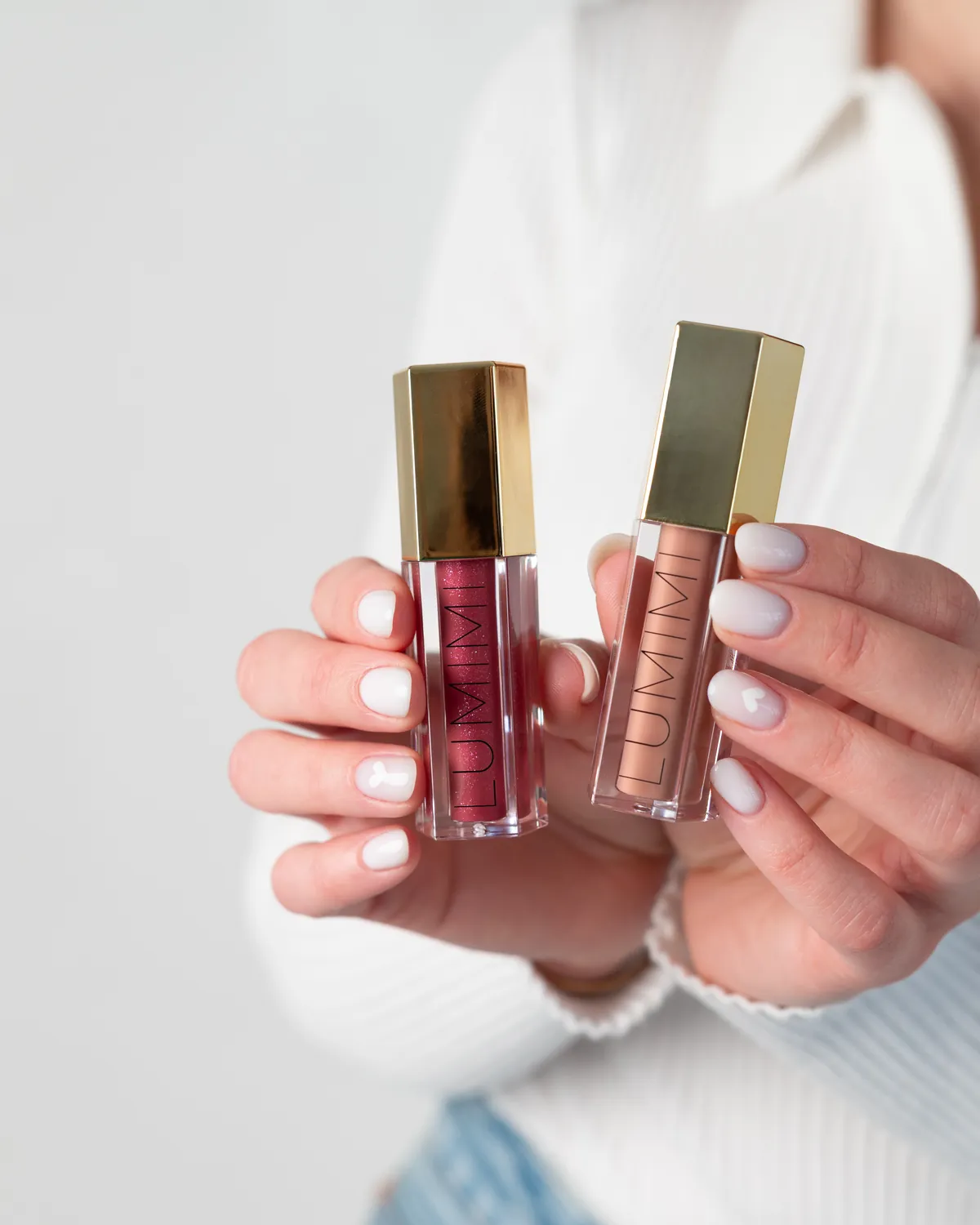
Lipstick gives even, opaque colour that you see straight away. Choose it when you want clearer colour or a more defined outline – whether it is a workday or an evening out. And a soft nude lipstick looks just as natural as gloss.
Creamy lipstick is the happy medium between gloss and matte lipstick: the colour is rich, but your lips do not look dried out. If your lips tend to get dry, go for a creamy rather than a matte texture.
You can wear lip gloss on its own, over lipstick or over lips filled in with liner. If you like layering, a three-layer combination gives you shape, colour and volume, but for light everyday makeup, gloss or lipstick alone is enough.
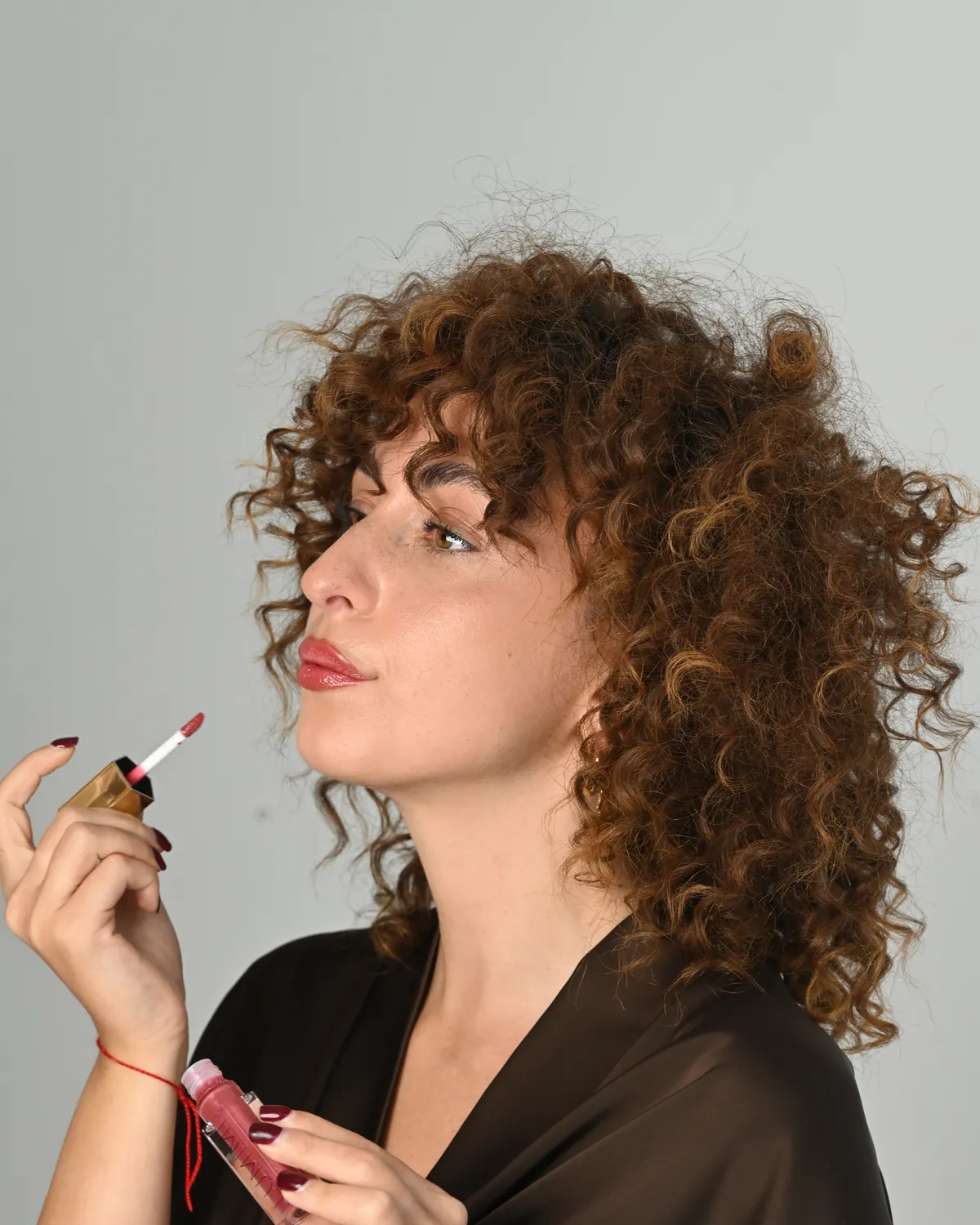
There are also two simpler options. Gloss over lipstick makes the colour look juicier, but this combination does not last quite as long. Clear gloss adds shine while leaving the underlying colour visible, so you can wear it over anything – liner, lipstick or bare lips.
Choose your liner and lipstick from the same colour family: a pink liner under pink lipstick, a warm brown one under nude. For more on outlining and using liner as a base, read our guide on how to use lip liner.
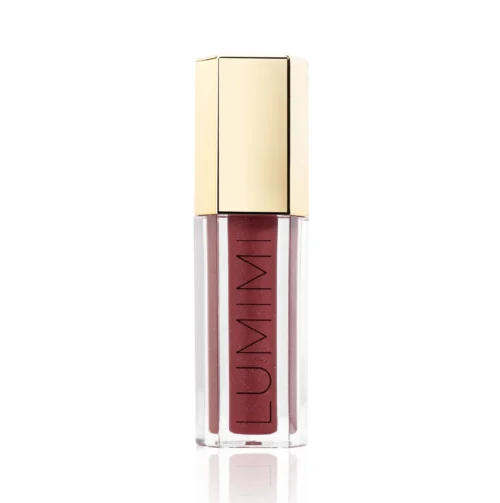
LUMIMI
Lip gloss
A non-sticky formula with coconut and jojoba oils, shea butter and vitamin E. Wear it alone or over lipstick or liner; 6 shades from clear to cherry.
Browse the lip gloss shadesThe simplest rule: for an everyday shade, look at your natural lip colour; for a bold one, look at your skin’s undertone. That way you avoid the two most common mistakes – a nude so pale it “erases” your lips, and a red that brings out redness in the skin.
For an understated look, begin with shades close to your natural lip colour – often just a touch deeper – and adjust the depth to taste. A shade that is too light, almost beige, can blend your lips into your skin and make your face look tired. Rosy nudes often look lovely on fairer skin, and warmer caramel and cinnamon tones on deeper or tanned skin, but your own preference matters most.
In the LUMIMI range, the everyday nudes are Perfect Nude lipstick and the Glossy nude and Golden Caramel glosses, with the #3 Spiced Cinnamon and #4 Toasted Almond liners for the outline.
Pink is close to the natural colour of the lips, which makes it easy to wear every day – even with no other makeup. A dusty pink often looks harmonious on cool-toned skin, and a warmer, peachy pink on warm undertones – but compare them on your own lips.
From the LUMIMI range, try Pink Peony lipstick, Classic Pink gloss and the #1 Dusty Rose and #2 Soft Blush liners.
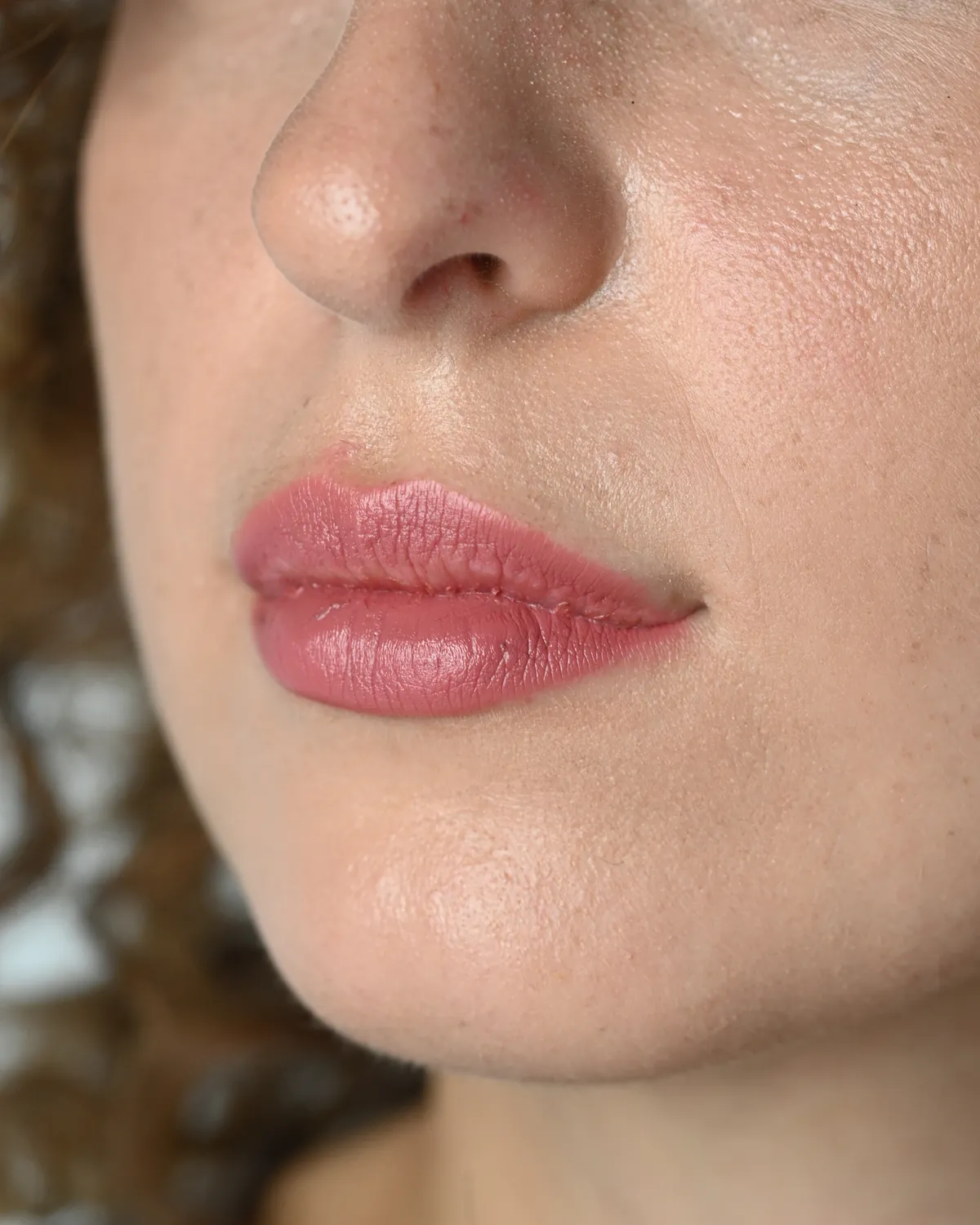
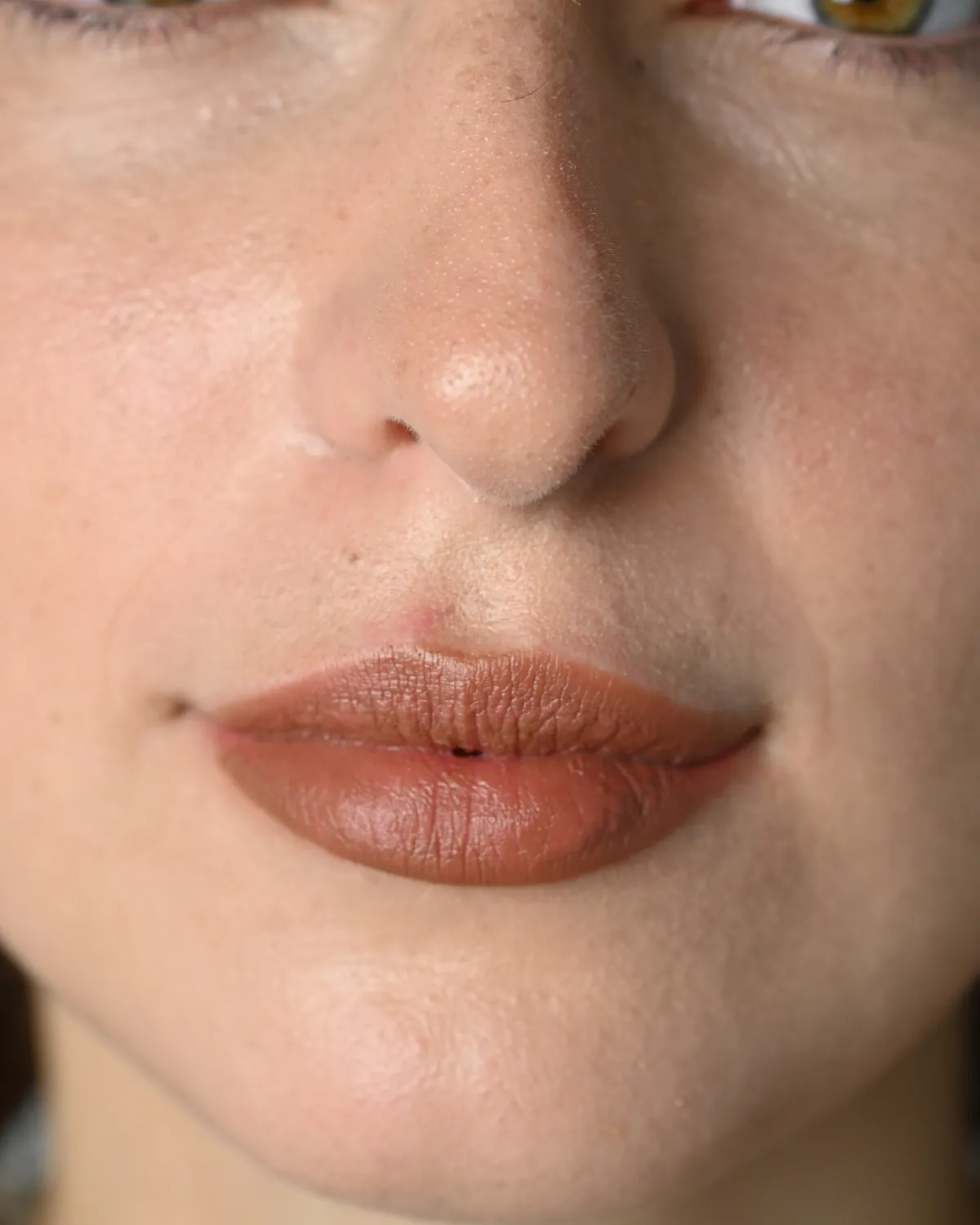
The colour of the veins on your wrist is not a reliable way to work out your undertone. It is easier to compare two reds next to your face in daylight: a cooler one with a blue tint (cherry, raspberry) and a warmer one with an orange or brick tint. Go with the one you like yourself in more – and if both look good, a classic red will work too.
For a bold red accent, LUMIMI has Luscious Red lipstick, and for a softer, sheer option, the Red Spice and Cherry Kiss glosses. If you fancy a less expected shade, try Violet Bliss lipstick.
Over time the lip line can become less defined and fine lines appear around the mouth. That is when it helps to mark the outline with liner before lipstick or gloss: it brings back the shape and helps keep colour from bleeding into the lines.
Choose how deep a shade to wear based on the look you want – what matters is not your age but whether you love the colour and texture. Apply gloss to the centre, not right up to the edge: this can make lips look fuller and keeps the shine inside the outline.
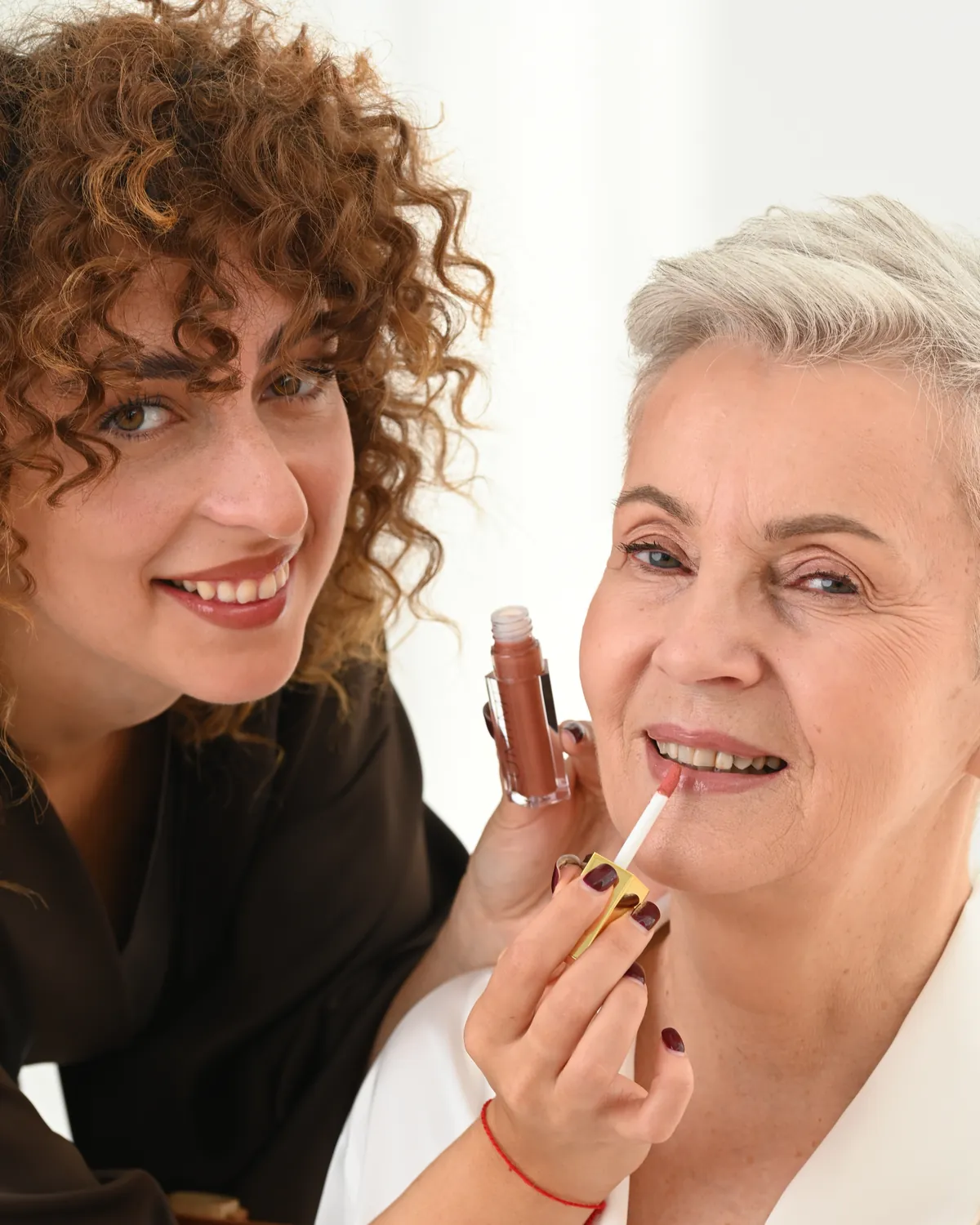
For neat-looking lipstick, the key is to prep your lips and apply from the centre out to the corners. The whole routine takes about 2 minutes.
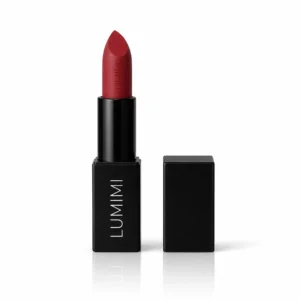
LUMIMI
Lipstick
Creamy, almost full coverage and rich colour from the first swipe. Contains olive oil, vitamin E and bisabolol; 4 shades.
See the four lipstick shadesLUMIMI Lipstick contains fragrance. If your lips are sensitive, try it on a small area first.
How long your lipstick lasts depends less on where you bought it and more on texture and technique: the same lipstick applied in two layers over liner lasts noticeably longer than a single swipe. Here is what really helps.
No creamy lipstick stays unchanged after lunch – that is normal. Keep a liner and lipstick in your bag: one thin layer in the centre is enough to make the colour look fresh again.
If your lips are dry or flaky, apply balm before makeup and blot off the excess with a tissue before lipstick or liner. Do not scrub or rub cracked or irritated lips – use a simple balm regularly instead, especially in the colder months. Makeup is no substitute for lip care: if your lips keep cracking or bleeding, or sores appear at the corners of your mouth, see a doctor.
Yes, if you want more shine and juicier colour. Apply the gloss to the centre of your lips so the edges stay neat; a clear gloss works over any lipstick because it adds shine while leaving the colour visible. Just bear in mind that gloss changes how the lipstick feels and may mean you need to touch up sooner.
For every day, choose a clear gloss or a nude close to your natural lip colour – it looks natural and forgives imprecise application. It matters just as much that the gloss is non-sticky, because then you actually want to reapply it. In the LUMIMI range, Crystal Clear, Glossy nude and Golden Caramel work well for every day.
A non-sticky gloss does not feel gluey: your lips do not stick together when you press them, and your hair does not get caught in it. LUMIMI Lip gloss has a non-sticky formula with coconut and jojoba oils, shea butter and vitamin E.
Line your lips with a liner first, then apply lipstick from the centre out to the corners. Use only what is left on the bullet for the corners, and blot off the excess with a tissue. If you still go over the line, tidy it with a cotton bud.
Yes – a glossy finish can make lips look fuller. If your lip line has become less defined, mark it with liner first and apply gloss to the centre so it does not bleed into the fine lines around the mouth. Choose your shade based on what you like, not on your age.
Lip balm is for care – it is usually colourless with little shine, so it is good for overnight and before makeup. Gloss is a makeup product that adds shine and often colour. In the colder months, use both: balm at night, gloss during the day.